Hi all,
I am in the process of building a few steel polo frames and I want to pick your brains on tubing selection. I’m specifically looking for how large can you go on the diameter of the main tubes of a polo bike before you run into “beer canning” issues? Obviously the loads on a polo frame (crashing) are much different than those on a road frame which is making me skeptical of the existing internet articles on tubing selection. MTB is closer, but I figured I’d check here.
Is a 35mm OD .7/.5/.7 down tube a recipe for a crumpled frame for polo? What about if I went with a bigger diameter and kept the wall thicknesses the same? Am I placing too much emphasis on stiffness in general? Should I just stop worrying about all this and use .9/.6/.9 for everything? For what it’s worth, I’m planning on gusseting the headtube intersections.
Thanks in advance for the steel wisdom.
2 Likes
if you want something bombproof forget about mtb tubing and go bmx or fixed freestyle standards , your frame might weight 500grm /1kg more but will be more solid. 0.5 mm of wall thickness is gona poc and snap obviously
id say xs and s size frame handle abuse better than M L XL frames
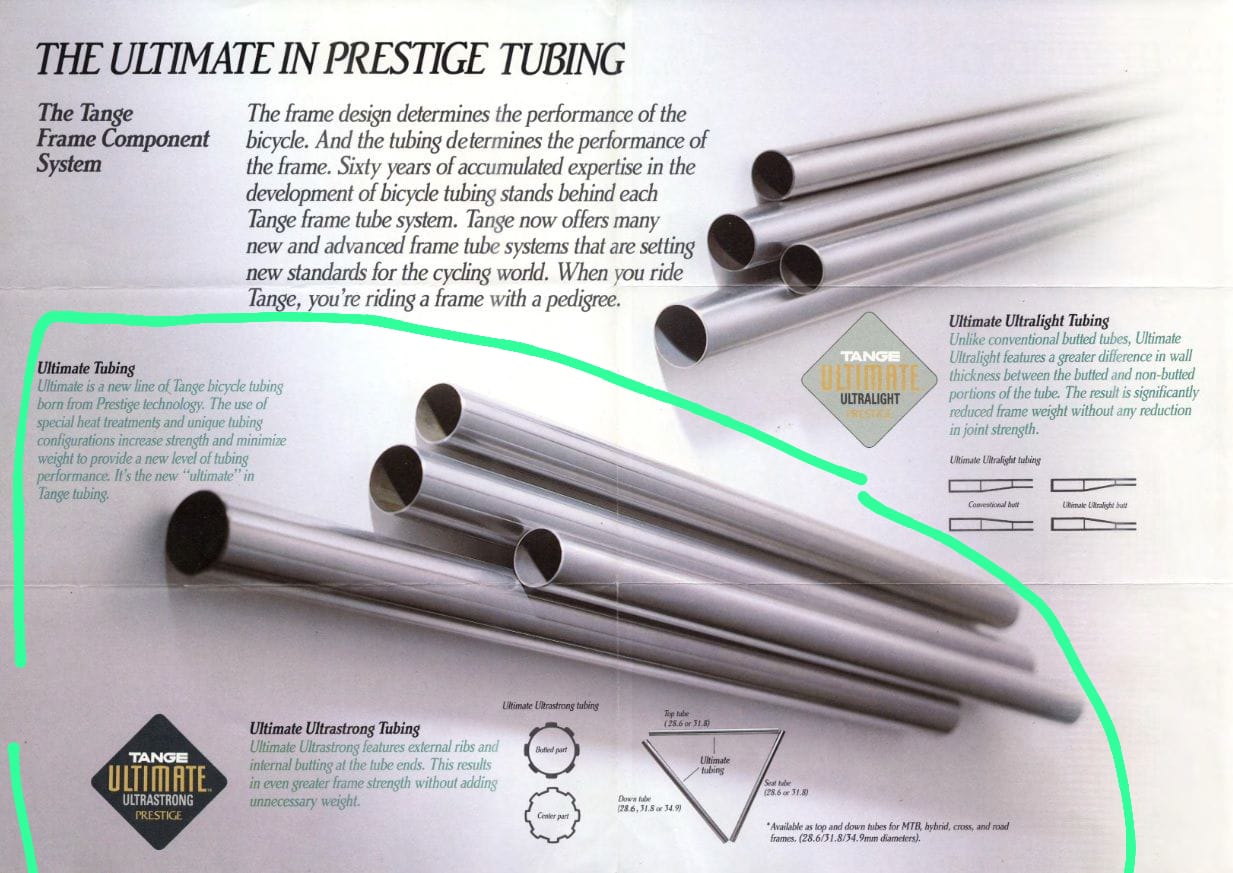
that say i went for this for tt and dt , but its discontinued NOS
I’ve made all of mine from 28.6 or 30mm dia, 0.9mm straight guage chromo.
You likely should be worrying more about dent resistance, than about buckling the tubing by front ending the bike. Therefore that means thicker walls.
By all means bump up the tube diameter as much as you feel you can get away with.
you might reach out to marino of marino bikes (https://www.marinobike.com/), he’s been building polo bikes forever and has it down pretty good these days. i know his aren’t the lightest out there (at least the enforcers aren’t) but he’s mass building frames for the general polo population so they’re pretty overbuilt imo. he’s also been super helpful during my frame building journey with answering questions and whatnot.
1 Like